Foreign Correspondent

Articles

Claes Dohlman

Ophthalmologist and founder of modern corneal science. Born Sept 11, 1922, in Uppsala, Sweden, he died on July 14, 2024, in Weston, MA. Read more.


Some progress, but Big Pharma not moving fast enough to deliver access

A new index finds that while pharmaceutical industry efforts to get their products to people in low- and middle-income countries has accelerated, companies are still not moving fast enough. Read more.


Tuberculosis returns as top infectious disease

I appeared on the BBC’s Health Check to discuss why tuberculosis is is once again the leading infectious disease in the world and if we can expect any breakthroughs in prevention or treatment. Listen here.


Gregor Henderson

Public mental health expert. Born on Aug 25, 1960, in Aberdeen, Scotland, he died of cancer on Aug 9, 2024, in Puglia, Italy. Read more.


The Pandemic Fund considers an emergency financing model

The World Bank’s Pandemic Fund managed to quickly get funding in place to assist with the global mpox response. Will it use that experience to create a new funding mechanism? Read more.


WHO raises nearly $700M, but global health funding worries persist

At the World Health Summit, many of the leading international agencies and multilaterals arrived looking to shore up their fundraising efforts. But donors warn there is not enough money to go around. Read more.


Regional vaccine and drug production is coming. Can it survive?

Building local capacity to manufacture drugs, vaccines and health products is not enough. Officials must work to ensure there is actually a sustainable market for the products that are produced. Read more.


Micro RNA wins Nobel

I appeared on the BBC’s Health Check to discuss why the discovery of Micro RNA won the Nobel Prize for medicine. Listen here.

Mildred Stahlman

Pediatrician and pioneer in neonatology. Born on July 31, 1922, in Nashville, TN, USA, she died in Brentwood, TN, USA, on June 29, 2024. Read more.


Fighting drug-resistant TB was costly. Here’s how that’s changed

It was while she was in a clinic in Cape Town, South Africa, enduring the complicated, agonizing treatment for extremely drug-resistant tuberculosis, that Phumeza Tisile began to question why “there weren’t better medications that had less side effects.”

In 2010, soon after her initial diagnosis with multidrug-resistant TB, or MDR-TB, Tisile had received a painful injection of the drug Kanamycin. It had caused her to go deaf essentially overnight, but did not stop the disease’s progression. She had not even been told that hearing loss was a potential side effect.

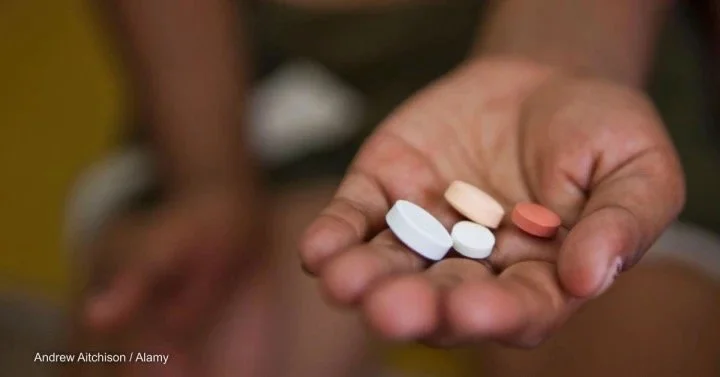
Only after she was finally cured, more than three years after starting treatment, did Tisile became aware that the drug company, Johnson & Johnson, had actually just developed a safer treatment with fewer risks. The treatment, bedaquiline, had only gained approval from the U.S. Food and Drug Administration, or FDA, in 2012. Had it been available to her it would have prevented her hearing loss and cut her daily pill count from 25 to fewer than 10.

She also came to understand the tangle of complications that made the treatment inaccessible to people across South Africa and in other parts of the world.

Read more.


Are drug companies making good on their access promises?

In a first-ever analysis, the Access to Medicine Foundation looked at the approaches 20 leading drug companies are taking to determine how many patients actually access their products. Read more.


Germany plans billions in cuts to development, humanitarian aid

A recently released draft budget spells out nearly €1 billion in cuts to the Federal Ministry for Economic Cooperation and Development, or BMZ, from €11.22 billion ($12.36 billion) this year to €10.28 billion in 2025. The proposed cuts to humanitarian aid are even more drastic, with plans to slash spending by more than 50% — from €2.23 billion in 2024 to €1.04 billion next year. Read more.